How to Cut Your Grocery Bill Without Eating Worse
Unit pricing, a short repeat menu and one honest waste audit do more than coupons ever will.
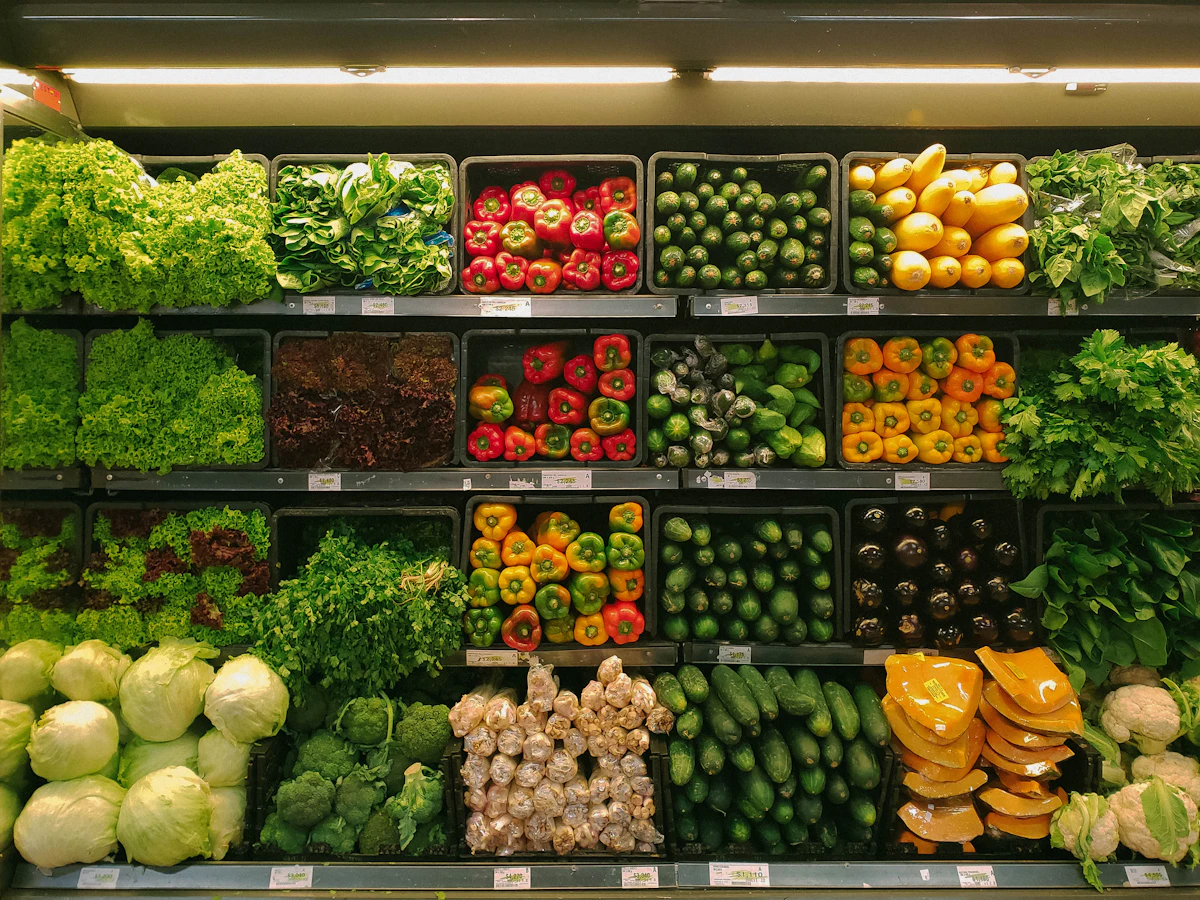
Short answer: Start with waste, not price. Households routinely throw away a tenth of what they buy, so buying the same food and using all of it beats hunting discounts. Then shop by unit price, keep a rotating menu of about ten meals you actually like, and buy fresh items twice a week instead of one large weekly load.
Most grocery advice assumes you have unlimited patience for comparison shopping. In practice the savings come from three habits that take no extra time once they are set up.
1. Audit the bin before the receipt
For one week, note what you throw away. Almost everyone finds the same pattern: salad leaves, bread and half-used herbs. Buying smaller quantities of those three, even at a higher unit price, usually saves more than switching brands on everything else.
2. Read the unit price, not the shelf price
| Item | Shelf price | Unit price | Better buy |
|---|---|---|---|
| Rice 1 kg | 2.40 | 2.40 / kg | |
| Rice 5 kg | 9.50 | 1.90 / kg | Yes, if stored dry |
| Yoghurt 4x125 g | 2.20 | 4.40 / kg | |
| Yoghurt 1 kg tub | 2.60 | 2.60 / kg | Yes |
Bulk only wins when you finish it. A 5 kg bag of rice is a saving; a 2 kg bag of spinach is compost.
3. Repeat a short menu
- Pick ten meals your household likes and rotate them.
- Overlapping ingredients mean fewer half-used packs.
- You learn the real prices of the twenty items you buy most, so you notice when they move.
- Leave one slot a week free for whatever is genuinely reduced.
Want to go further? Read our guide on How to Cut Your Weekly Food Waste Without a System or browse everything in Money.
Frequently asked questions
- Are own-brand products worse?
- Usually not for staples like flour, tinned tomatoes, oats or frozen vegetables. Differences show up more in items where recipe matters, such as chocolate or sauces.
- Is buying in bulk always cheaper?
- Only per unit, and only if you use it all. Waste turns a bulk discount into a loss quickly.
- How much can this realistically save?
- Cutting waste and shopping by unit price typically lands between 15% and 25% of a weekly bill.
Sources & references
About the author

Elena Marsh
Senior Editor, Money & Consumer
Elena has covered personal finance and consumer rights for over a decade. She translates dense financial rules into steps readers can act on the same day.
All articles by Elena Marsh →Related articles
How to Cut Your Weekly Food Waste Without a System
Most household waste comes from three categories. Fixing those beats any elaborate meal-planning routine you will abandon in a fortnight.
· 6 min read

How to Tell If a Product Review Was Written by a Bot
Generated reviews have a rhythm: no dates, no faults, no photos. The six-signal check that takes under a minute.
· 6 min read

What to Do in the First 24 Hours After Losing Your Wallet
Freeze cards before cancelling them, because most lost wallets are found. The order of calls that protects your money fastest.
· 6 min read

Is 'Buy Now, Pay Later' Costing You More at Checkout?
Why split-payment options can raise the real price of a purchase even when the headline interest rate is zero.
· 6 min read
Read next
How to Tell If a Product Review Was Written by a BotGenerated reviews have a rhythm: no dates, no faults, no photos. The six-signal check that takes under a minute.
Comments
Questions, corrections and experiences from readers are welcome. We read everything and update articles when you spot something wrong. Please keep it civil — see our comment policy.
No comments on this article yet — be the first.