Is 'Buy Now, Pay Later' Costing You More at Checkout?
Why split-payment options can raise the real price of a purchase even when the headline interest rate is zero.

Short answer: Buy now, pay later is often free on paper but can make you spend more. Retailers sometimes raise the price for split payments, shoppers add items to qualify, and missed payments trigger fees that wipe out any saving.
The appeal is obvious: four payments feel smaller than one. The risk is that the mental math stops at the instalment amount. When the total purchase grows, or when one deadline is missed, the effective cost can exceed the original price by a noticeable margin.
Where the extra cost hides
| Cost type | How it shows up | How to avoid it |
|---|---|---|
| Higher base price | Single-payment discount only available if you pay upfront | Compare the one-time total before choosing BNPL |
| Larger basket | Minimum spend or free-shipping threshold nudges extra items | Remove anything you would not buy with cash |
| Late or reschedule fees | Missed payment, or changing the date | Set a calendar reminder for each instalment |
| Impulse frequency | Smaller payments make frequent purchases feel smaller | Use BNPL only for planned, larger buys |
If you are trying to smooth out spending, a small savings buffer does the same job without the fees. Our guide on how much you should save each month has a simple target, and best budgeting methods compared shows how to give every pound or dollar a role before you reach checkout.
When BNPL actually makes sense
- You have the full amount in your account today and are using instalments purely for cash-flow timing.
- The total price is identical whether you pay once or in four parts.
- You have set reminders and there is no chance of a missed payment.
- The purchase was already planned, not added because the option made it feel affordable.
Want to go further? Read our guide on How to Cut Your Weekly Food Waste Without a System or browse everything in Money.
Frequently asked questions
- Is BNPL interest-free?
- Most mainstream plans charge no interest if you pay on time, but they do charge late fees or reschedule fees. The retailer may also embed the cost in a higher base price.
- Does BNPL affect my credit score?
- It depends on the provider and market. Some report missed payments; many run a soft check that does not affect your score unless you default.
- Why do retailers offer BNPL?
- Because it increases average order value and conversion. The provider pays the retailer a fee, which can be passed back to the customer through pricing.
- What is the safest way to use it?
- Use it only for planned purchases, compare the single-payment price, and set reminders so you never miss a due date.
Sources & references
About the author

Elena Marsh
Senior Editor, Money & Consumer
Elena has covered personal finance and consumer rights for over a decade. She translates dense financial rules into steps readers can act on the same day.
All articles by Elena Marsh →Related articles
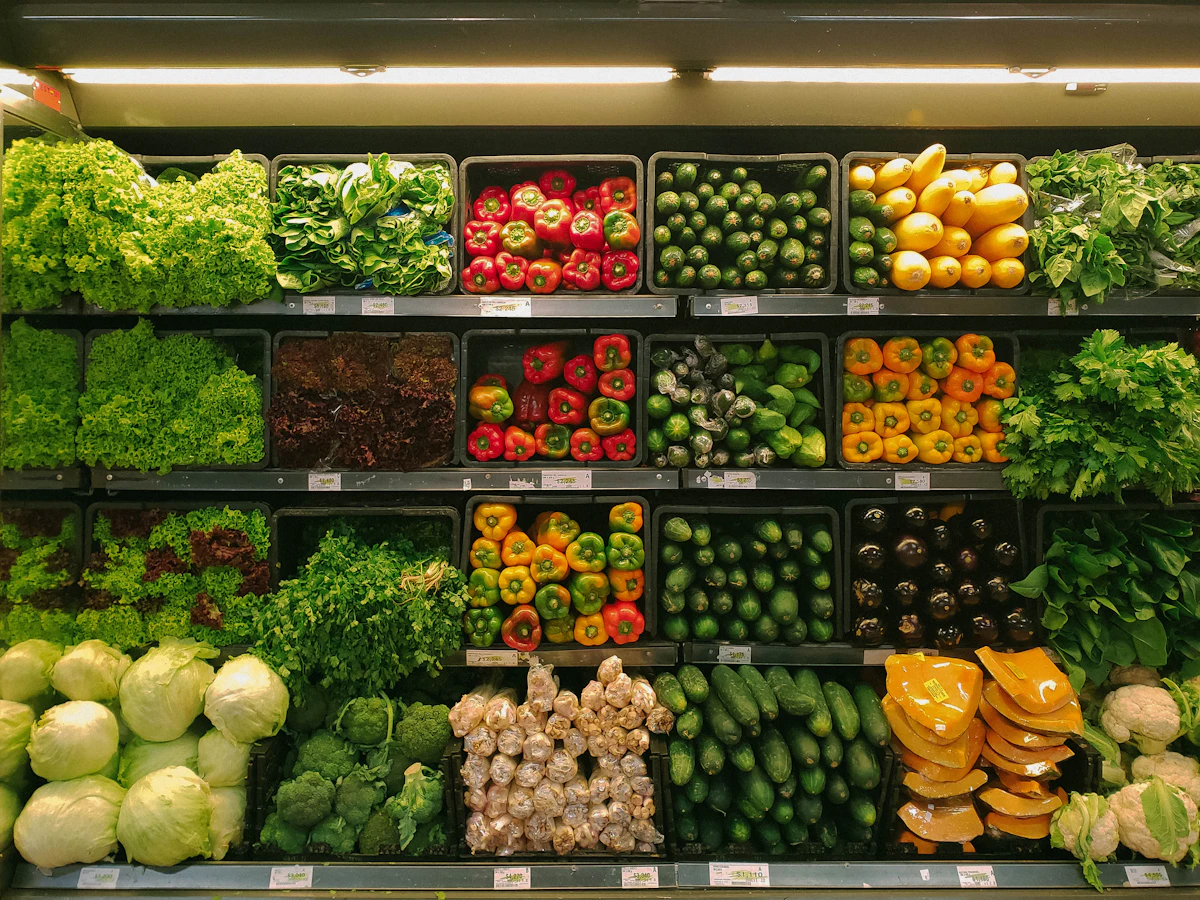
How to Cut Your Weekly Food Waste Without a System
Most household waste comes from three categories. Fixing those beats any elaborate meal-planning routine you will abandon in a fortnight.
· 6 min read
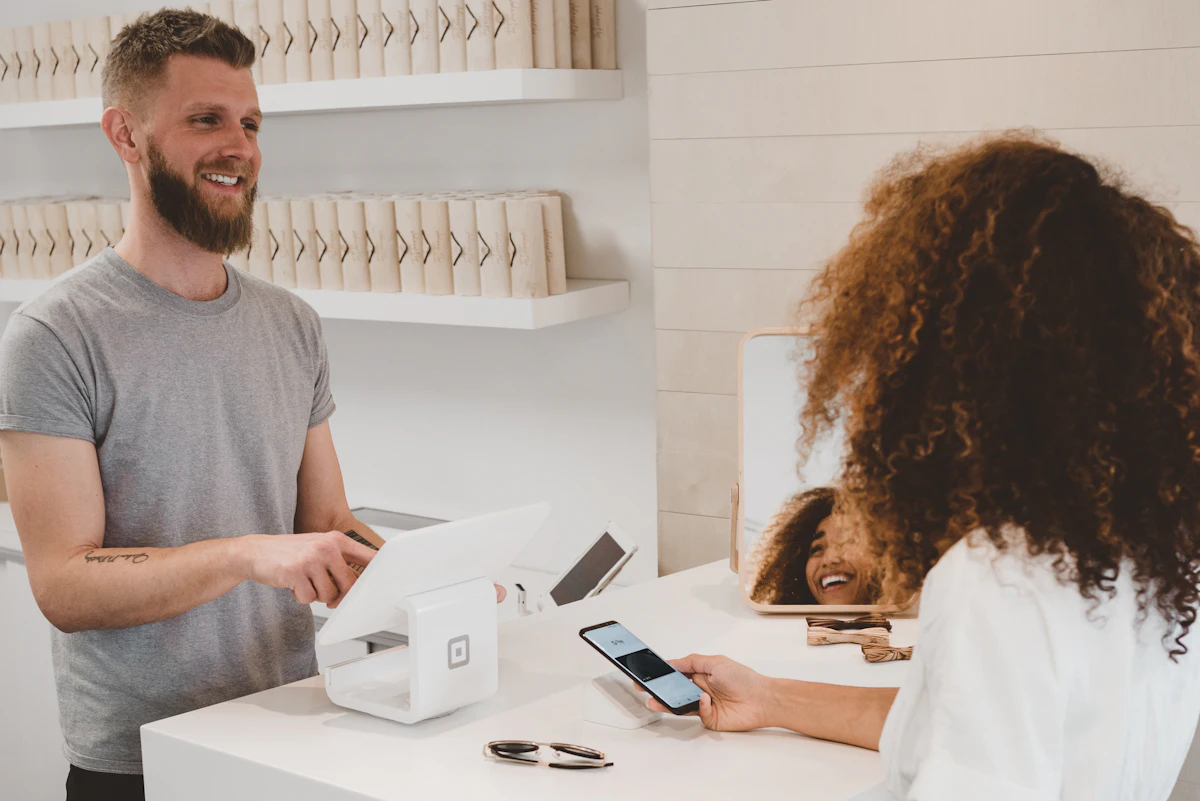
How to Tell If a Product Review Was Written by a Bot
Generated reviews have a rhythm: no dates, no faults, no photos. The six-signal check that takes under a minute.
· 6 min read

What to Do in the First 24 Hours After Losing Your Wallet
Freeze cards before cancelling them, because most lost wallets are found. The order of calls that protects your money fastest.
· 6 min read

How to Stop Paying for Games and Apps You Never Open
A twenty-minute audit that usually finds two or three live subscriptions nobody remembers starting.
· 6 min read
Read next
How to Tell If a Product Review Was Written by a BotGenerated reviews have a rhythm: no dates, no faults, no photos. The six-signal check that takes under a minute.
Comments
Questions, corrections and experiences from readers are welcome. We read everything and update articles when you spot something wrong. Please keep it civil — see our comment policy.
No comments on this article yet — be the first.