How to Check If a Health Claim Is Credible
Five questions — who studied it, in whom, how many, compared with what, and who paid — that separate real evidence from a headline.

Short answer: Ask five questions: who was studied (humans, or mice and cells?), how many, over how long, compared with what, and who funded it. A claim built on 20 participants for four weeks with no control group is a hypothesis, not a finding — regardless of how the headline is written.
The hierarchy in one table
| Evidence type | Weight | Common trap |
|---|---|---|
| Systematic review of trials | Strongest | Can hide poor-quality inputs |
| Randomised controlled trial | Strong | Small or short trials overreach |
| Cohort / observational | Moderate | Correlation reported as cause |
| Animal or cell study | Weak for humans | Dose is often unreachable in people |
| Personal testimonial | None | Presented as proof |
Language that should slow you down
- "Linked to" — usually observational, so causation is not established.
- Relative risk with no absolute numbers: a 50% increase on a 2-in-10,000 risk is still tiny.
- "Doctors don't want you to know" — marketing, not medicine.
- A single study contradicting a large body of prior work is interesting, not conclusive.
Want to go further? Read our guide on What the Latest Climate Research Actually Says or browse everything in Science.
Frequently asked questions
- Is peer review a guarantee?
- No, but it filters out a lot. Journal reputation and independent replication matter more than the label itself.
- How do I check funding?
- Look for the 'conflicts of interest' or 'funding' statement at the end of the paper. It is nearly always disclosed.
Sources & references
About the author

Daniel Okoye
Technology Writer
Daniel tests consumer hardware and software and explains what actually changes for everyday users, without the marketing language.
All articles by Daniel Okoye →Related articles

What the Latest Climate Research Actually Says
A readable summary of recent findings, the level of confidence behind them, and what remains genuinely uncertain.
· 12 min read

How to Spot Fake News Online
Source checking, reverse image search and the emotional cues that misinformation relies on to spread.
· 7 min read

Is Charging Your Phone Overnight Actually Bad?
Modern phones stop drawing full power once they hit 100%, so the real damage comes from heat and long spells at a full charge.
· 6 min read
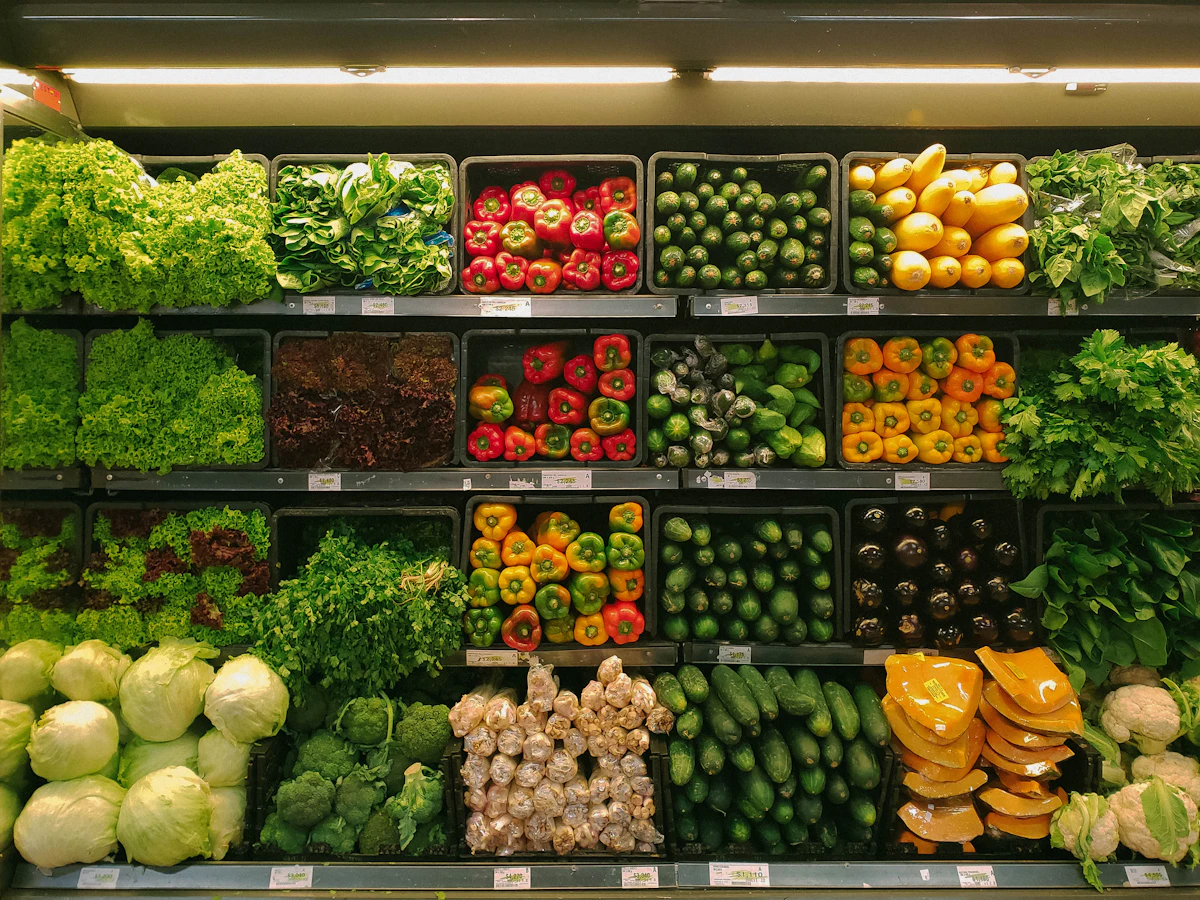
How to Cut Your Weekly Food Waste Without a System
Most household waste comes from three categories. Fixing those beats any elaborate meal-planning routine you will abandon in a fortnight.
· 6 min read
Read next
How to Spot Fake News OnlineSource checking, reverse image search and the emotional cues that misinformation relies on to spread.
Comments
Questions, corrections and experiences from readers are welcome. We read everything and update articles when you spot something wrong. Please keep it civil — see our comment policy.
No comments on this article yet — be the first.